
Joseph Ahmadi
Medically reviewed by Dr. Mo Maghaddasi, Medical Director at Clara Med Spa.
Last updated: August 11, 2026
Forehead lines often show up before people expect them to. You catch them in bright bathroom lighting, on a video call, or in a photo where your expression looks more tired than you feel. That is usually when the question comes up: how botox softens forehead lines, and whether it can do so without making your face look stiff or overdone.
At Clara Medical Spa in Thornhill, we offer Botox, Dysport, Xeomin, and Letybo to clients from Thornhill, Vaughan, Richmond Hill, and across the GTA, including treatment for forehead lines.
The short answer is yes, Botox can soften forehead lines very effectively. The more useful answer is that it works by relaxing the muscle activity that repeatedly folds the skin. When treatment is planned well, the result is not a frozen forehead. It is a smoother, more refreshed look that still feels like you.
How Botox softens forehead lines
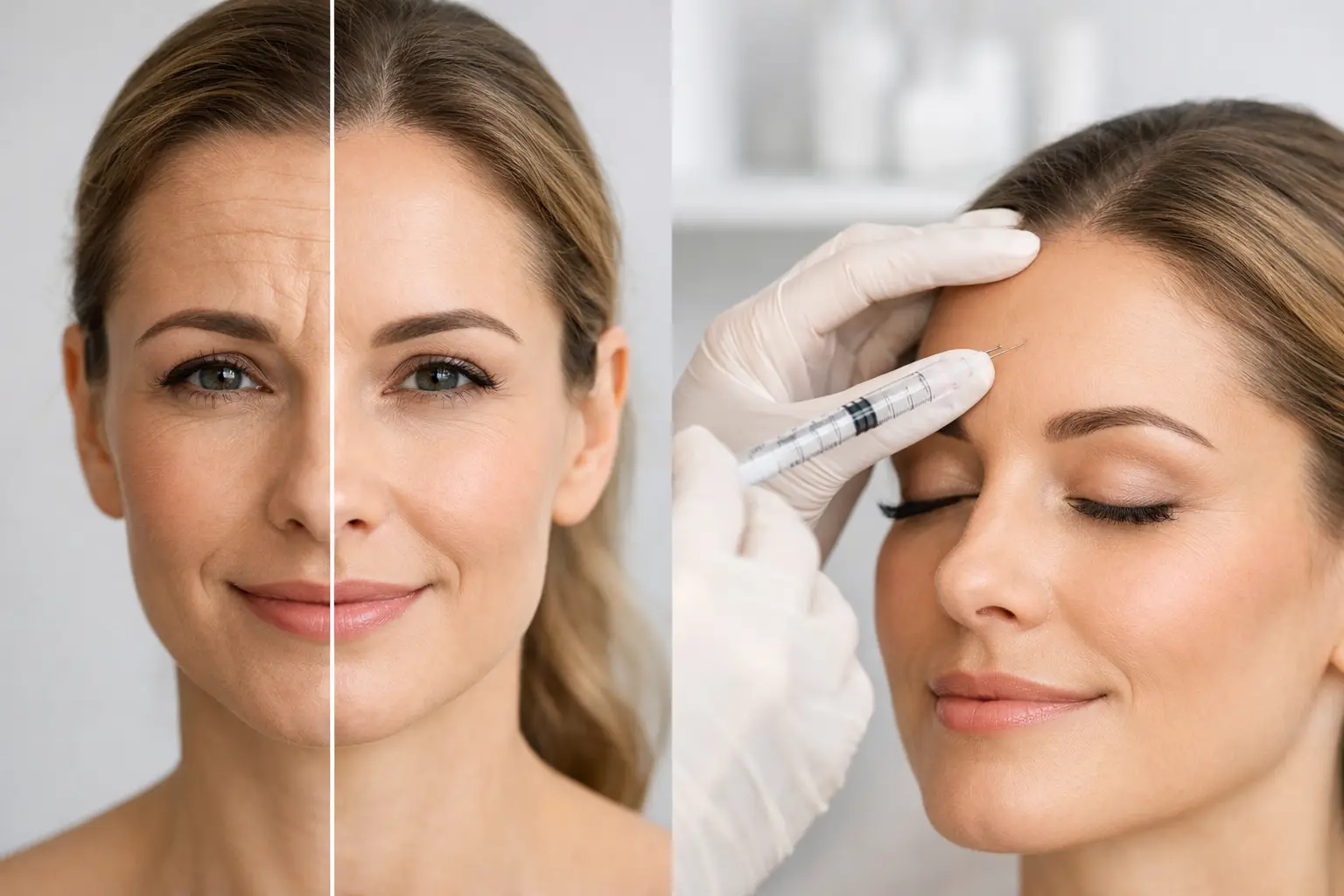
Forehead lines are called dynamic wrinkles when they are caused by repeated movement. Every time you raise your brows, concentrate, react, or express surprise, the frontalis muscle contracts and creases the skin above it. Over time, those repeated folds can begin to stay visible even at rest.
Botox works by temporarily reducing the strength of those muscle contractions. With less pulling on the skin, the forehead has a chance to relax and look smoother. In many patients, this means lines become less noticeable when the face is moving and softer even when the face is still.
That distinction matters. Botox does not fill the line the way a dermal filler adds volume. It addresses the underlying movement that created the line in the first place. For dynamic forehead wrinkles, that makes it one of the most precise non-surgical treatment options available.
Why forehead lines respond so well to Botox
The forehead is one of the most expressive parts of the face, which is exactly why it responds so well to neuromodulators. These lines are often movement-based, especially in the early and moderate stages. If the skin still has reasonable elasticity, relaxing the muscle can make a dramatic difference.
That said, not every forehead line behaves the same way. Some are only visible when you raise your brows. Others are etched into the skin after years of repeated movement, sun exposure, and natural collagen loss. In those cases, Botox can still help significantly, but the final result may be softer rather than completely erased.
This is where personalized treatment matters. A younger patient trying to prevent lines from deepening may need a lighter approach. Someone with more established lines may need a more tailored plan and realistic expectations about gradual improvement.
Dynamic lines versus static lines
If your lines disappear when your face is relaxed, they are mostly dynamic. Botox is especially effective here because it treats the source of the crease.
If the lines stay visible even when you are not moving, they are more static. Botox can still improve them by reducing motion and preventing them from getting deeper, but skin quality also becomes part of the conversation. Depending on the patient, treatments that support collagen and texture may complement Botox for a more complete result.
What treatment actually looks like
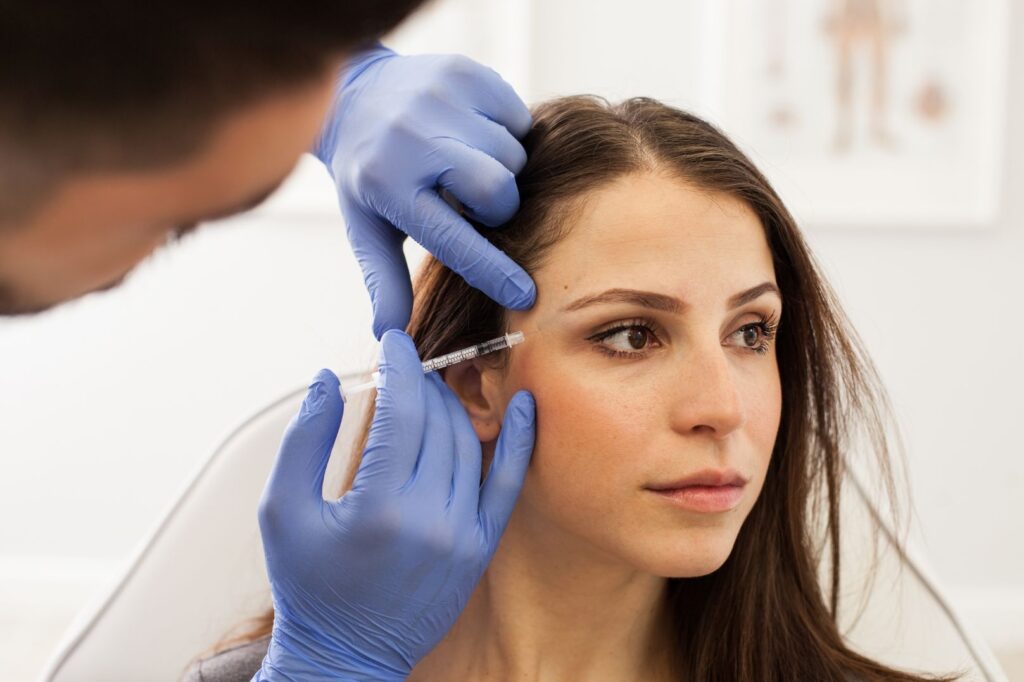
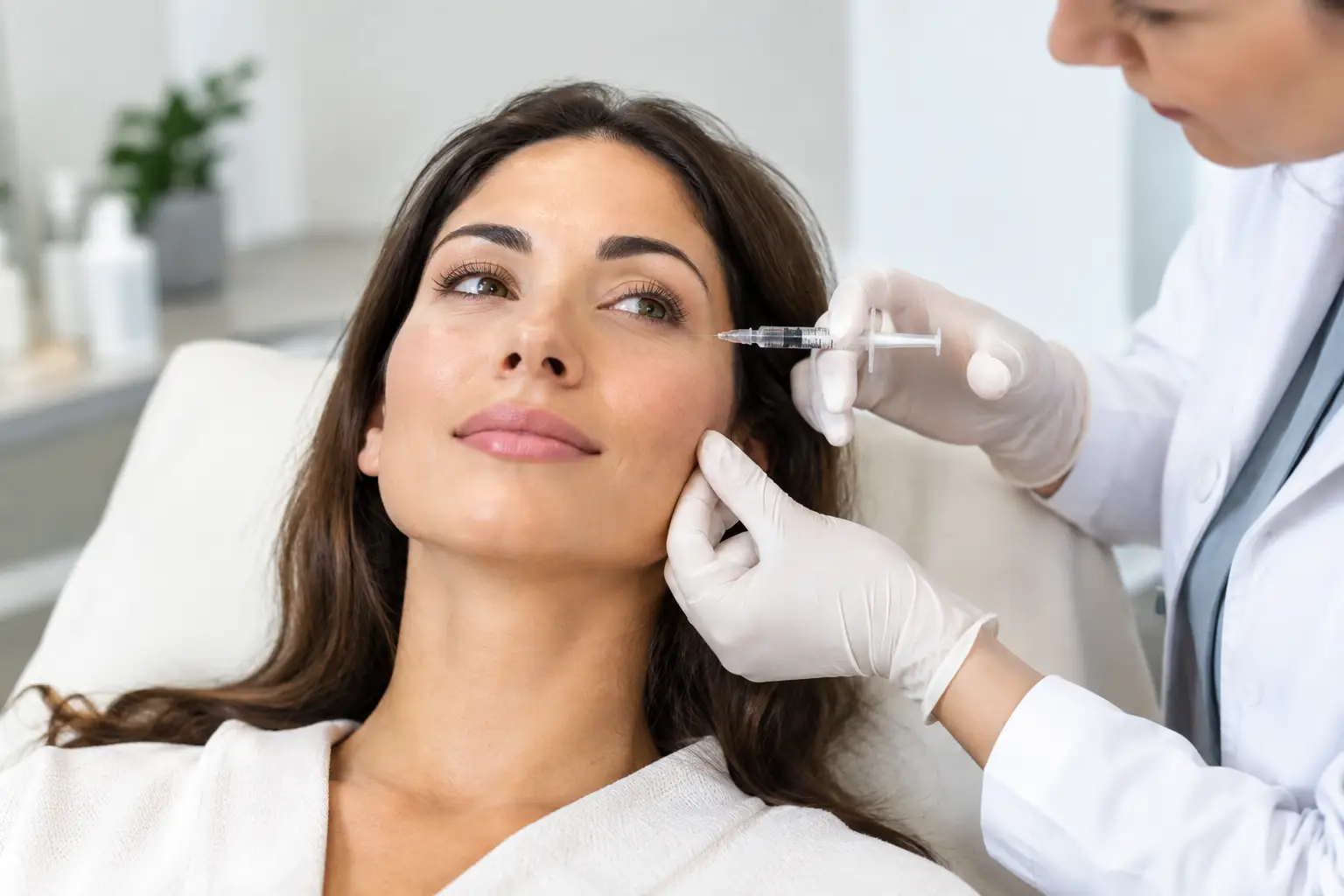
One reason Botox remains so popular is that the appointment itself is straightforward. After a consultation and facial assessment, a trained injector places a series of small injections into carefully selected points across the forehead. The goal is not simply to weaken the whole area. The goal is balance.
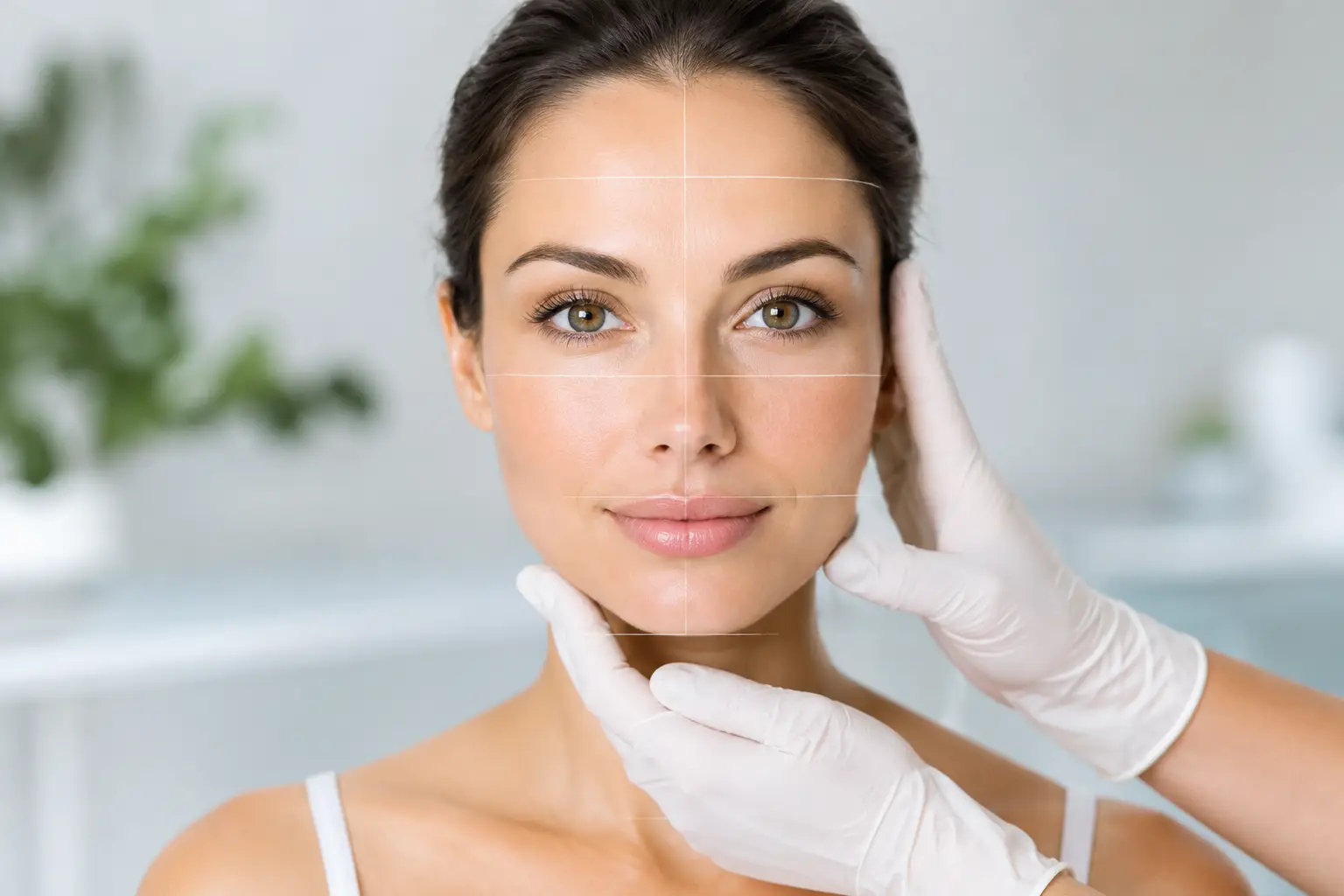
This is especially important because the forehead does not work in isolation. The muscles between the brows and around the eyes affect brow position and expression as well. Treating forehead lines properly often means considering the full upper face, not just one set of creases.
A thoughtful injector will assess how strongly your forehead moves, whether your brows sit high or low at baseline, how much lift you naturally use to keep your eyes open, and what kind of result you want. Some patients want very smooth skin. Others want to keep more movement. Both can be appropriate, but the dosing and placement will differ.
How long it takes to see results
Botox does not work instantly. Most patients start to notice a change within a few days, with fuller results appearing around 10 to 14 days after treatment. The forehead gradually looks calmer and smoother rather than changing all at once.
Results typically last about three to four months, although this can vary based on muscle strength, metabolism, dose, and how regularly you have been treated. Some people notice that with consistent maintenance, the lines begin to look less etched over time because the skin has fewer chances to crease so deeply.
Natural-looking results depend on technique
The biggest concern many patients have is looking unnatural. It is a reasonable concern, and it usually comes down to technique rather than the product itself.
A well-executed Botox treatment should soften lines while preserving facial harmony. The forehead needs some motion to look expressive and balanced. If too much product is placed too low, or if the muscle pattern is not assessed properly, the result can feel heavy or flat. If too little is used, the lines may not improve enough. Precision matters.
That is why provider experience is so important, especially in a physician-led aesthetic setting. Forehead Botox is not just about smoothing skin. It is about respecting anatomy, protecting brow position, and customizing treatment to the individual face.
What Botox can and cannot do for forehead lines
Botox can create a noticeable improvement in forehead lines, help prevent deeper creasing, and give the upper face a more rested appearance. It is one of the fastest ways to refresh this area without surgery or significant downtime.
What it cannot do is change skin texture, tighten loose skin, or instantly remove every deep etched line in one visit. If your forehead lines are severe at rest, the treatment may make them look much softer, but not completely invisible. For some patients, that is exactly the right outcome. A natural forehead does not need to be perfectly blank to look youthful and polished.
There is also a timing factor. Starting earlier can be preventive because it limits repetitive folding before lines become deeply set. Starting later can still be very worthwhile, but it may require a broader skin rejuvenation plan if texture and collagen loss are contributing to the look of aging.
Is Botox right for everyone with forehead lines?
Not always. The best candidates are healthy adults with movement-related forehead lines who want a non-surgical option with minimal interruption to daily life. It is especially appealing for patients who want visible improvement without looking dramatically altered.
Still, there are nuances. Some people rely heavily on their forehead muscles to lift the brows, especially if they have naturally heavier lids. In those cases, a conservative approach is often the safest and most attractive option. Others may have lines that are more related to sun damage and thinning skin than muscle movement alone. They may still benefit from Botox, but it should be part of a more complete treatment strategy.
This is why consultation matters more than online advice. The forehead is a small area, but the right treatment plan depends on muscle pattern, skin condition, anatomy, and aesthetic goals.
How to maintain smoother forehead lines
If you like the effect of Botox, maintenance is usually simple. Most patients return every few months before full movement has completely returned. Waiting too long does not cause harm, but the lines may reappear more fully as the muscle regains strength.
Daily sun protection also matters more than many people realize. UV exposure breaks down collagen and can make forehead lines look more pronounced over time. Good skincare supports the result as well, especially products that improve hydration and overall skin quality.
For patients who want a refined, natural result, consistency tends to work better than extremes. Smaller, well-timed treatments often create a smoother and more elegant outcome than waiting for lines to deepen and trying to correct everything at once.
How Botox softens forehead lines without changing who you are
The best Botox does not make you look like someone else. It makes you look less tense, less tired, and less marked by repetitive expression. Your forehead can still move. Your face can still communicate. The difference is that the lines no longer lead the conversation.
At Clara Medical Spa, that philosophy aligns with what many patients want most: natural-looking improvement guided by medical expertise and careful aesthetic judgment. When Botox is tailored properly, it does not erase character. It simply softens the signs of strain and time in a way that looks polished, rested, and believable.
If you have been noticing forehead lines more often lately, the right next step is not guessing how much product you need or comparing your face to someone else’s. It is getting a personalized assessment from an experienced provider who understands both facial anatomy and natural beauty.
Explore our Botox in Thornhill and anti-wrinkle injection services, or see the price list.
Frequently Asked Questions
Where can I get Botox in Thornhill?
Clara Medical Spa is located at 1 Promenade Cir in Thornhill, inside the Promenade Shopping Centre, and treats clients from Thornhill, Vaughan, Richmond Hill, and the greater Toronto area.
How much does Botox cost at Clara Medical Spa?
Neuromodulators are priced per unit, from $7–$8 per unit depending on the brand. Your injector will estimate the units you need at a free consultation.
How does Botox soften forehead lines?
Botox relaxes the muscles that create lines, letting them soften over time.
Will Botox make my forehead look frozen?
Conservative dosing helps preserve natural movement.
Related treatments & reading

[…] How Botox Softens Forehead Lines […]