
Joseph Ahmadi
Medically reviewed by Dr. Mo Maghaddasi, Medical Director at Clara Med Spa.
Last updated: August 11, 2026
Skin laxity usually shows up in small ways first – makeup settling differently along the jawline, cheeks that look a little less lifted in certain lighting, or skin on the neck that no longer feels as firm as it once did. For many patients, non surgical skin tightening is appealing because it offers a way to improve these changes without surgery, long recovery, or an overdone result. The goal is not to make you look different. It is to help your skin look firmer, smoother, and more refreshed in a natural-looking way.
What non surgical skin tightening actually does
Non surgical skin tightening refers to treatments that improve mild to moderate skin laxity by stimulating collagen and elastin production deep within the skin. Instead of removing excess skin the way surgery does, these treatments encourage the skin to rebuild support from within. Over time, that can create a visibly tighter, more refined appearance.
At Clara Medical Spa in Thornhill, our skin tightening and non-surgical face lift treatments serve clients from Thornhill, Vaughan, Richmond Hill, and across the GTA, including non-surgical skin tightening options.
This matters because loose skin is not always caused by one issue. Aging, sun exposure, genetics, weight changes, and natural collagen loss all play a role. A treatment that heats the deeper layers of skin in a controlled way can trigger a repair response, which helps restore some firmness gradually.
That said, expectations need to be realistic. Non-surgical options can be very effective for early to moderate laxity, but they do not replace a surgical facelift or neck lift when skin laxity is advanced. The best results come from choosing the right technology for the right concern and treating at the right stage.
How non surgical skin tightening works
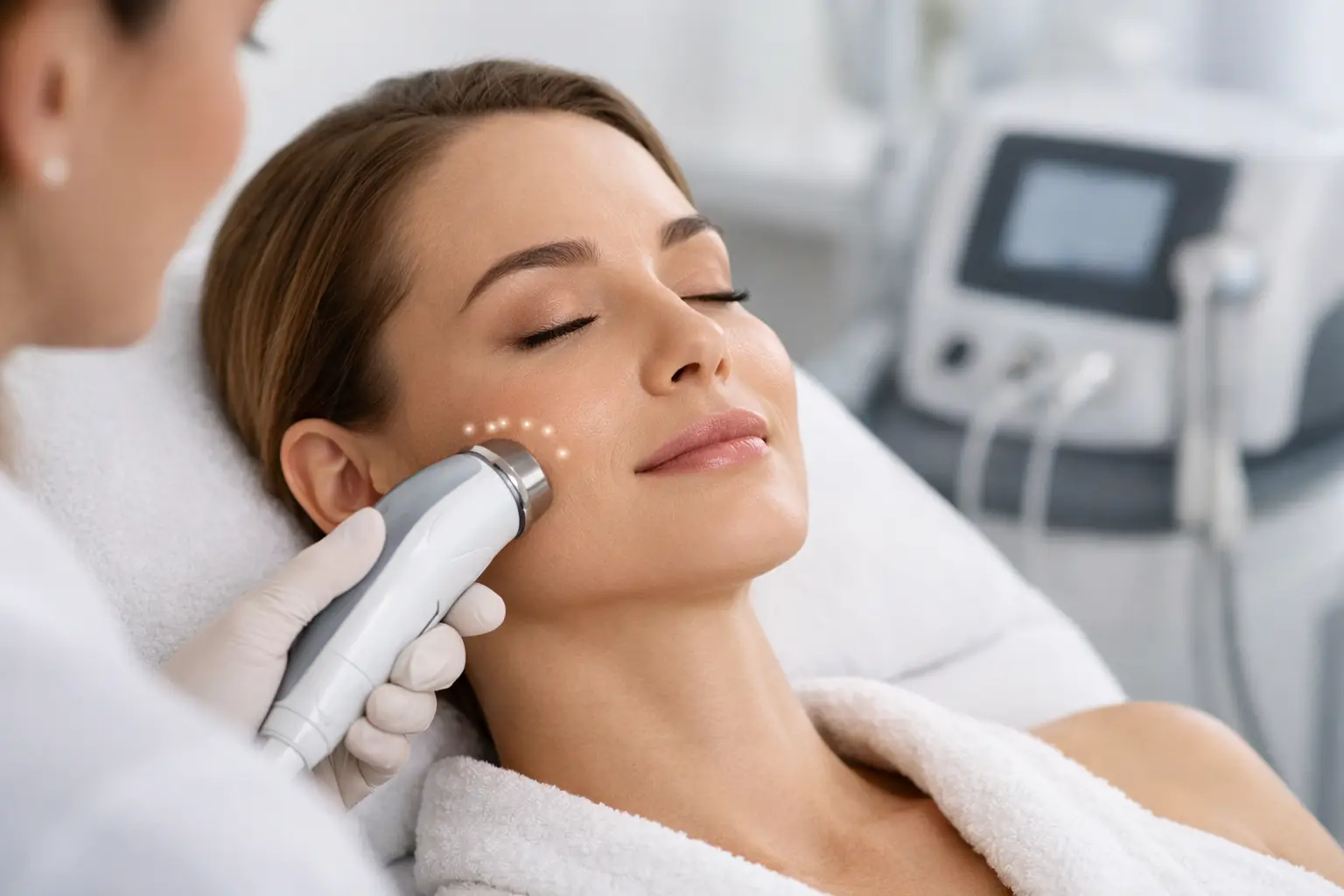
Most non surgical skin tightening treatments rely on energy-based technology. Radiofrequency is one of the most widely used approaches, especially for facial tightening. It delivers controlled heat beneath the surface of the skin, where collagen fibers contract and new collagen production is stimulated over time.
Some technologies also use ultrasound, while others combine heat with microneedling or other rejuvenating methods. The exact depth of treatment, intensity, and ideal patient profile vary by device. That is why a consultation matters. Two people can both say they want tighter skin, yet one may benefit from RF tightening while the other may need volume restoration, resurfacing, or a combination approach.
In a clinical setting, treatment is typically focused on areas where skin support has softened. Common zones include the lower face, jawline, neck, cheeks, and around the mouth. On the body, some people seek tightening for the abdomen, arms, or above the knees, depending on the device being used.
Who is a good candidate for non surgical skin tightening
The best candidates are usually people who are starting to notice looseness but still have enough skin elasticity to respond well. If you look in the mirror and feel that your skin looks less firm, but you are not ready for surgery, this category often makes sense.
Patients in their 30s, 40s, and 50s are often strong candidates, although age alone does not decide suitability. Skin quality, degree of laxity, lifestyle, and treatment goals are all part of the picture. Someone with mild jowling and early neck laxity may see a noticeable improvement. Someone with significant sagging and excess skin may still improve, but not to the same degree.
Good candidates also tend to value gradual, natural results. Non-surgical tightening is not an overnight transformation. It is for patients who want improvement that looks elegant and believable, not abrupt.
Areas that respond well to skin tightening
The face and neck are the most requested areas for a reason. These zones often show collagen loss early, and they are also where subtle tightening can make a meaningful difference. Better definition along the jawline, firmer skin under the chin, and improved texture on the cheeks can create a more rested appearance overall.
Around the eyes, treatment may help with crepey texture depending on the technology used, though this area requires careful planning. On the body, skin tightening can be helpful after weight loss, pregnancy, or age-related changes, especially when the concern is mild to moderate looseness rather than large amounts of excess skin.
What works beautifully on the face may not be the best choice for the body, so treatment planning should always be area-specific.
What results to expect from non surgical skin tightening
The most important word here is improvement. Patients often notice that their skin feels firmer first. Visual changes usually develop more gradually as collagen rebuilds. Depending on the treatment, some early tightening may be visible soon after the appointment, but the more meaningful results often appear over several weeks to months.
This slower timeline is part of why the outcome can look so natural. Friends may notice that you look refreshed or more polished without being able to point to one obvious change. For many patients, that is exactly the goal.
Results also depend on how your skin ages, how much sun damage is present, and whether you maintain your skin with good habits and follow-up care. A single treatment may be enough for some people, while others do best with a series or periodic maintenance.
Non surgical skin tightening vs other rejuvenation treatments
Skin laxity is only one part of facial aging, which is why a thorough evaluation matters. If volume loss is making the face look hollow or tired, tightening alone may not give the best result. If surface texture, acne scars, or sun damage are the main issue, resurfacing or microneedling may be more relevant. If muscle movement is causing lines, neuromodulators may help more than tightening.
Often, the most refined outcomes come from combining treatments thoughtfully. Tightening can improve support. Injectables can restore balance. Skin rejuvenation treatments can improve tone and texture. When these are planned carefully, the result is not artificial. It simply looks more harmonious.
At Clara Medical Spa, that personalized approach is part of what makes treatment planning feel more precise. The best aesthetic work rarely comes from chasing one trend or one device. It comes from matching the treatment to the face in front of you.
What treatment feels like and what recovery looks like
Many patients are pleasantly surprised by how manageable these treatments are. Sensations vary by device, but warmth is common, and some technologies create a brief prickling or snapping feeling. Comfort measures may be used depending on the treatment.
Downtime is usually limited compared with surgery. Some patients have mild redness, warmth, or swelling for a short period afterward. Treatments that combine tightening with microneedling may involve a few days of visible recovery, while others allow you to return to normal activities much more quickly.
This is one reason non-surgical options fit so well into busy schedules. Still, lower downtime does not mean lower importance. Energy-based treatments should be performed with medical judgment, proper technique, and a clear understanding of skin anatomy.
How to choose the right non surgical skin tightening treatment
Start with your real concern, not just the latest device name. Are you bothered by early jowls, a softer jawline, crepey neck skin, or mild body laxity? Are you hoping for prevention, correction, or maintenance? These details shape the right plan.
It is also worth being honest about your timeline and expectations. If you want a subtle refresh with little interruption to your routine, non-surgical tightening may be an excellent fit. If you are looking for dramatic lifting, your provider should say so clearly and discuss whether surgery would ultimately be more appropriate.
Provider experience matters just as much as technology. A physician-led clinic or medically supervised team can better assess skin quality, degree of laxity, and whether another treatment would serve you better. That kind of guidance protects both your results and your investment.
Questions worth asking at your consultation
A strong consultation should leave you feeling informed, not pressured. Ask which treatment is being recommended and why. Ask how many sessions are typically needed, when results should appear, and how long they may last. Ask what the treatment can realistically improve and what it cannot.
You should also ask whether your concerns are truly related to skin laxity. Sometimes patients think they need tightening when they actually need volume support, contouring, or skin resurfacing. A trustworthy provider will explain that difference.
The right plan should feel customized to your face, your skin, and your goals. Luxury in aesthetics is not about excess. It is about thoughtful care, refined technique, and results that still look like you.
Non surgical skin tightening works best when it is chosen for the right reasons and performed with skill. If your skin looks a little less firm than it used to and you want a polished, natural-looking improvement, this category can be a smart and confidence-boosting step.
Explore our skin tightening in Thornhill and RF face tightening, or see the price list.
Frequently Asked Questions
Where can I get skin tightening in Thornhill?
Clara Medical Spa is located at 1 Promenade Cir in Thornhill, inside the Promenade Shopping Centre, and treats clients from Thornhill, Vaughan, Richmond Hill, and the greater Toronto area.
How much does skin tightening cost at Clara Medical Spa?
HIFU, face laser skin tightening, and RF (face) treatments are each $150 per session on our price list. Thread lifts and combination plans are quoted at a free consultation.
How does non-surgical skin tightening work?
Energy-based treatments warm deeper layers to stimulate collagen over time.
How many sessions are needed?
Most clients benefit from a series. Your provider will recommend a plan.
Related treatments & reading
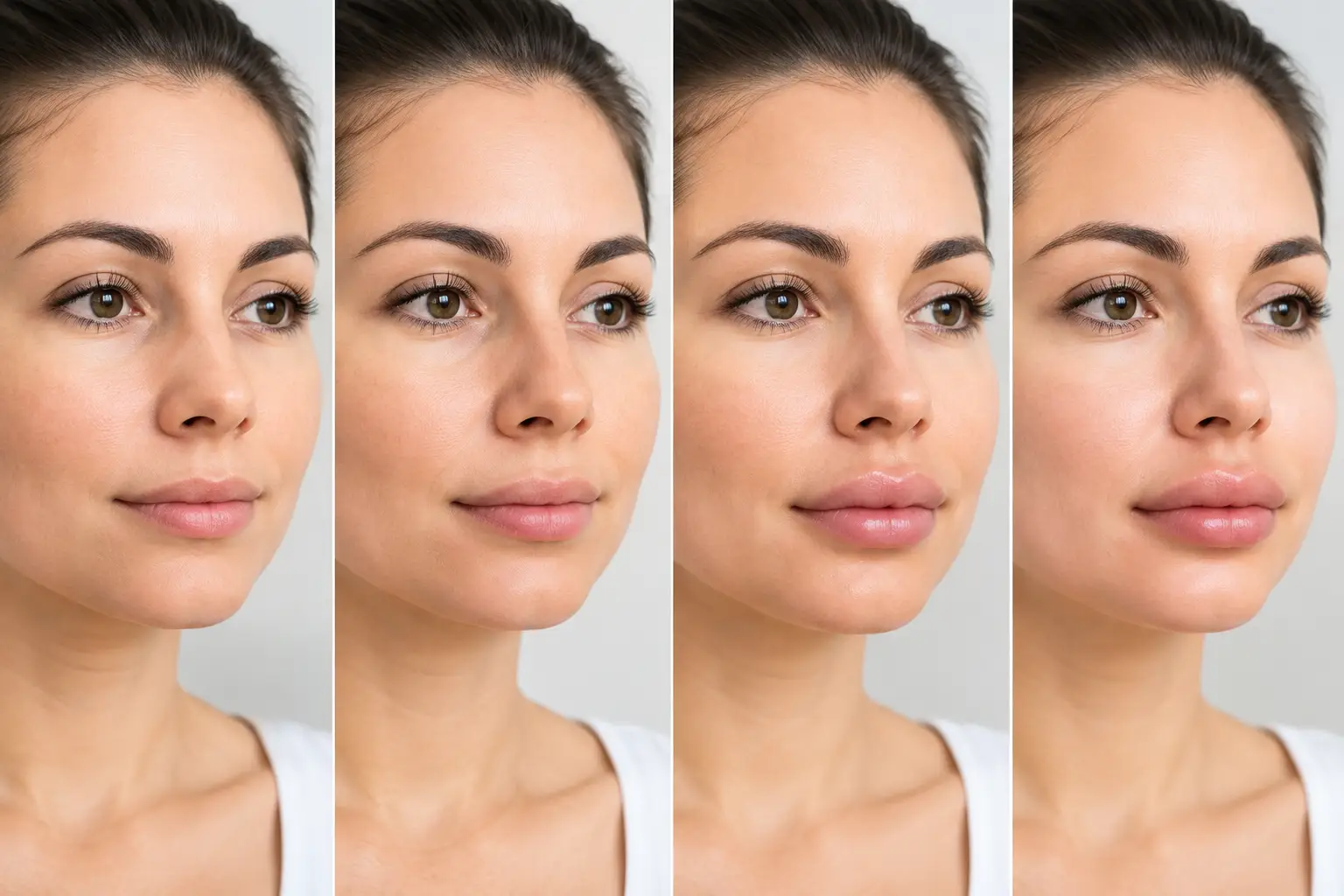
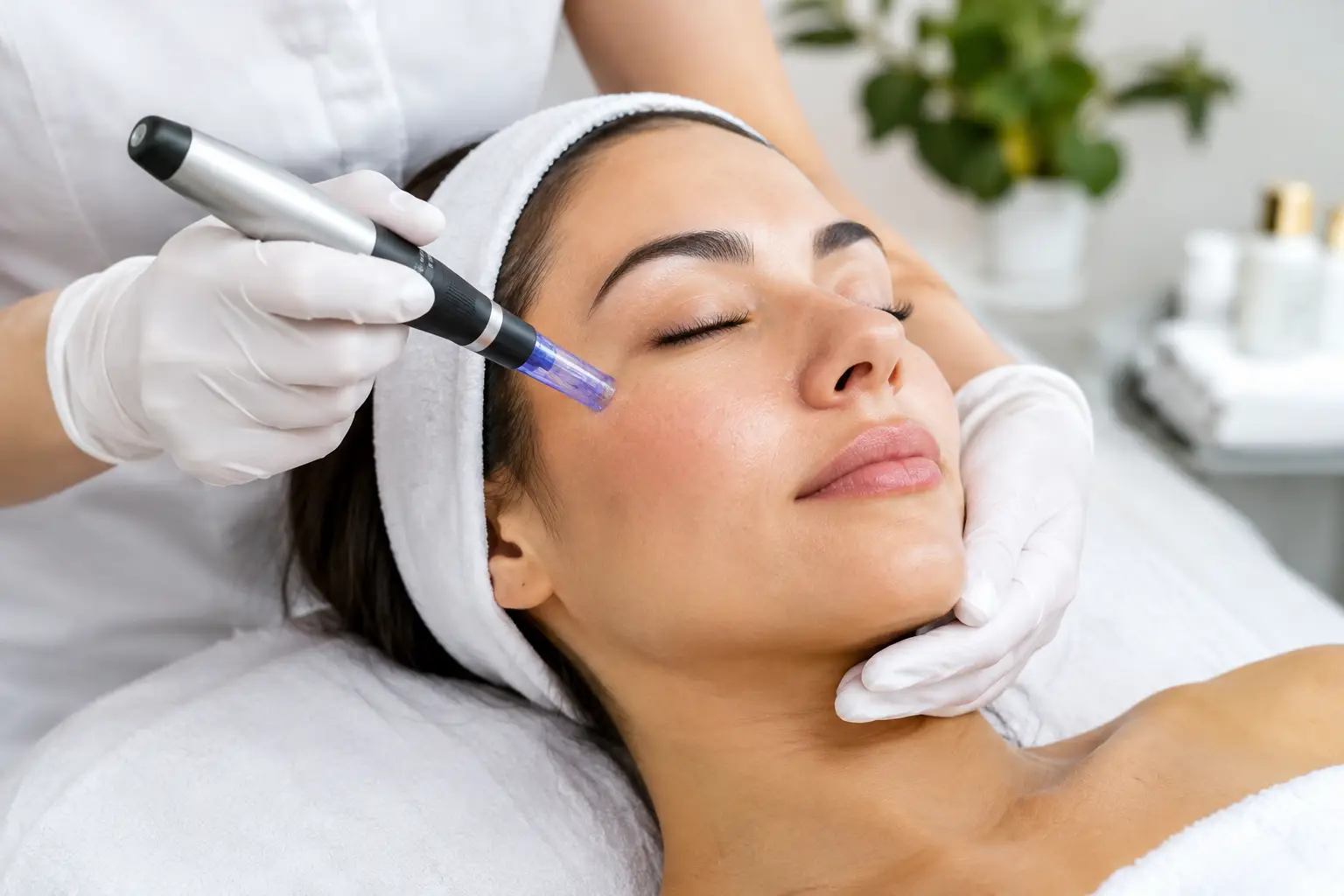
[…] smile lines are made worse by skin laxity, radiofrequency treatment can be an excellent option. RF face tightening works by delivering heat into the deeper layers of the skin to encourage collagen remodeling. Over […]
[…] the under-chin area looks soft because of mild to moderate skin laxity, radiofrequency-based tightening can be an excellent option. These treatments focus on stimulating collagen and improving firmness, which […]
[…] by skin-focused treatment. Someone with substantial bags or laxity may need a surgical opinion or another approach rather than […]
[…] Non Surgical Skin Tightening Explained […]
[…] Non Surgical Skin Tightening Explained […]
[…] Non Surgical Skin Tightening Explained […]
[…] Non Surgical Skin Tightening Explained […]